Menu

Archive for High End – Page 3

Blog posts pertaining to Audiophiles that may not be Ultra High End equipment owners yet.

New Listening / Showroom Hours for Audible Images

We have expanded our “Walk-In” hours for our showroom.

Tuesday – Saturday: 12 – 5:00 PM

All other hours by appointment or luck 🙂

The video below shares a quick glance of our 4 listening rooms. There is a new listening room in the video: “The Office”.  (page coming soon)

Note: We welcome a walk-in at 4:50 Pm if that is when you need to come in, and we are in no rush to close the doors at the posted hours.  As long as you have questions or desire to listen we will enjoy staying until your visit is complete, if you will.

The Audible Images Team

New Showroom Hours for Listening Rooms

Share This Page with buttons below, Facebook, Email and more...

E1 Isolation Base – Removed noise in a Night and Day Comparison for a turntable

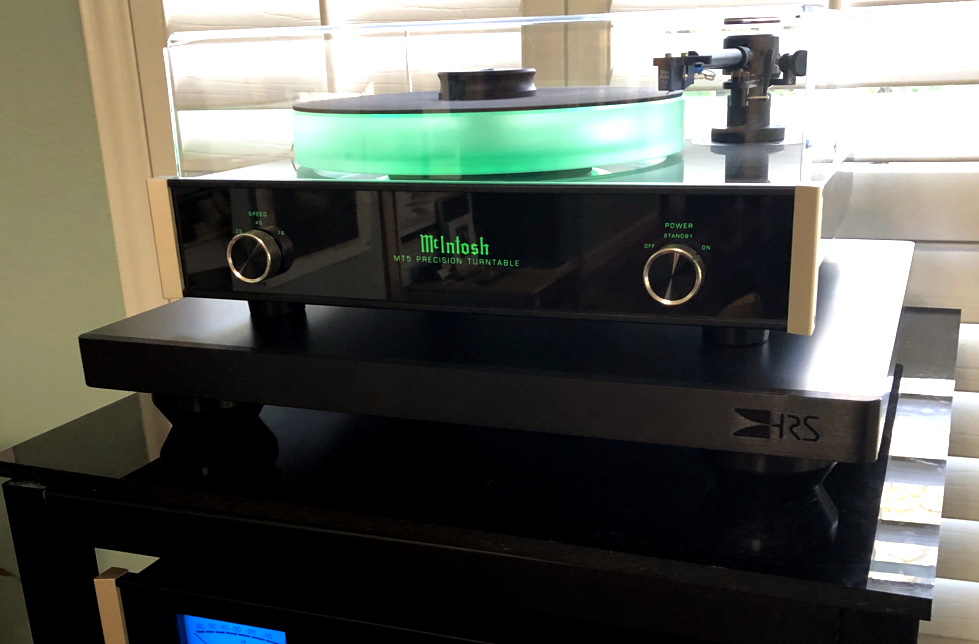
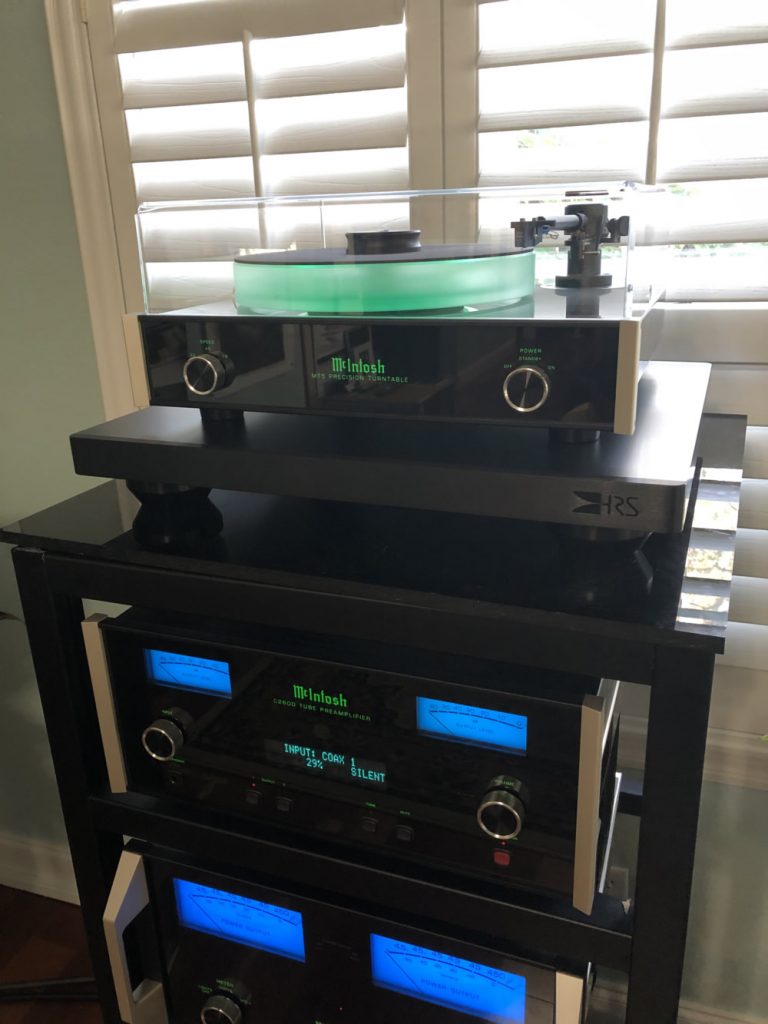
We just got this HRS E1 Isolation platform in for people to hear the noise reduction in more modest systems. (This just happens to be the only system that we could try it on 🙂 )

A customer friend of ours used our platform and heard the noise drop out on his $1600 Project turntable. Dramatic noise drop.  He was blown away.  So I had to test it out for myself, the next day when I got into work. 

Jaw dropping is how I describe my personal observation in the noise reduction here on the MT5 turntable when I loaded the Eric Clapton – Unplugged album.

As soon as I dropped the needle down on “Hey Hey” with the platform, you actually didn’t hear the main noise of needle drop you normally would. 

Then Ed Masterson, played “Signe” the 1st song on the album to hear the noise from the crowd clapping in the concert. The soundstage of clapping went from stadium wide, not because that was the actual width of the soundstage, but more because it was one aspect of the recording that perhaps was not as coherent as the instrumental  (felt like it) and opened the reproduction to a very distinct width and natural soundstage. (When I looked up the background on his “Unplugged” album, I discovered Unplugged is a 1992 album by Eric Clapton, recorded at Bray Studios, England in front of an audience for the MTV Unplugged television series.)

The noise floor just dropped out, the high quality recording become distinctly more transparent, airy, natural and so many other terms of clarity I could use.

A Note I’d like to Add; Before I wrote this blog post about my own personal experience. Having been an Audiophile for less than 3 years, I wanted to read from another person’s perspective in regards to noise reduction and specifically if I could find, an article on an isolation platform. In my search I found one from the best, a very interesting and relevant point made by Robert Harley, Editor in Chief of The Absolute Sound Magazine, (and author of the book I am reading called “The Complete Guide To High-End Audio“) in an article he shared in 2015 called ‘Critical Mass Systems Maxxum Amplifier Stand Disappearing Act’.  I quote Mr. Harley below from the article:

“In my editorial in Issue 246 (“The Law of Accelerating Returns”) I suggested that the goal of assembling the most realistic-sounding audio system is best realized by investing in products that are demonstrably more transparent and resolving.

All too often, audiophiles swap components only to trade one set of colorations for a different, perhaps initially appealing, set of colorations. Years of such “upgrades” don’t bring you closer to musical realism in the long run. It’s better to spend your money on components or accessories that improve the sound without any sonic tradeoffs.”

During our test, Ed made the comment that being an electrical engineer, this platform made more Engineering sense than other noise reduction/isolation products or methods, because it was based on applying mechanical noise reduction. So, I stayed the course on my post here.

My summary: It was very much a Night and Day difference.  Two turntables were tested.  The first one was a $1600 Project turntable and the second was a $7000 one.  The same friend/customer Dave heard both. And from what I understood him to say, was they both had about the same results. An $1100 isolation platform by HRS did this.  Very simple test. Amazing results.  I encourage you to come in and hear what I did.

The gear used:

The McIntosh MC462 Solid State Amplifer, the McIntosh C2600 2-Channel Vacuum Tube Preamplifier, the McIntosh MT5 2-Channel Precision Turntable, and Sonus Faber Olympica Nova III Floorstander Speakers with the REL sub-base woofers turned off. (because one happened to sell the other day) 

Share This Page with buttons below, Facebook, Email and more...

Audible Images is hosting our 2nd Annual Music Appreciation Event on Saturday December 14th 2019

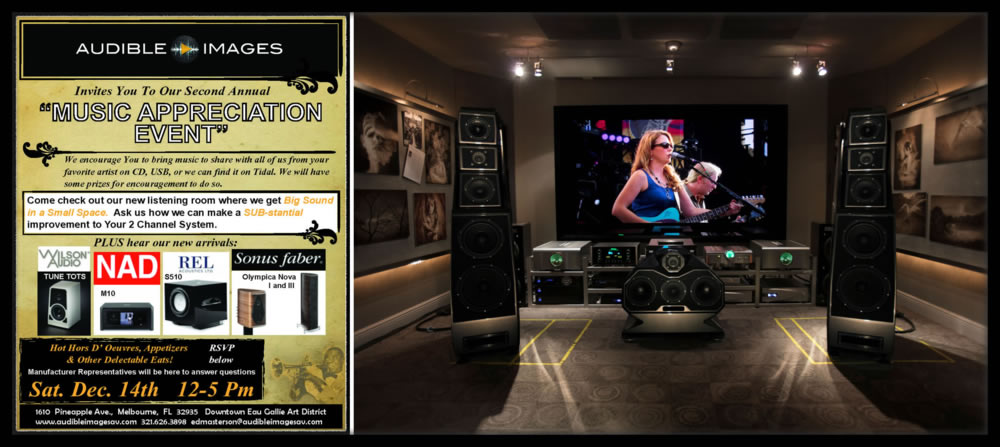
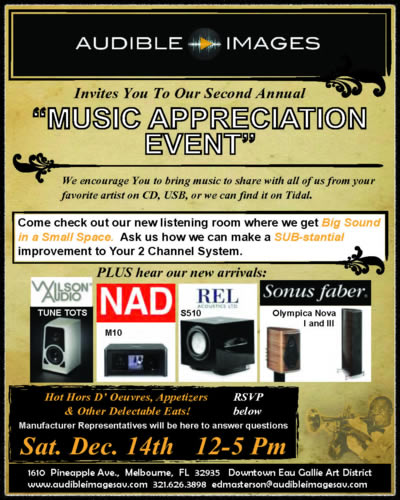
Audible Images invites everyone to join us, Saturday December 14th from 12 to 5 pm, for our “2nd Annual – Music Appreciation Event”.

Music stirs the soul. We all strive to build music reproduction systems that achieve that total “acoustic immersion”. When it happens all other thoughts are washed away as the sound overwhelms the other senses leaving you only listening. We believe that this is how it was meant to be heard. So it is our goal to help you achieve that or at least be exposed to it at our event.

This year we are introducing new products from Wilson Audio, Dan D’Agostino Master Audio Systems, NAD Electronics, REL Acoustics, McIntosh Labs and Sonus Faber . We will have factory representatives from REL Acoustics, McIntosh and Sonus Faber available to answer questions. We encourage you to bring your favorite music. We will do our best to play it.

Come have a great time with other hobbyists & audiophiles!  Delectable Hors D’ Oeuvres and Appetizers will be served.  

New Gear, a New Room, New & Old Friends.  Come Join Us for a fun Saturday music and theater afternoon in the beautiful downtown Eau Gallie Art District.  Hang out on the front porch with us.

Contact Ed Masterson at  321-626-3898 or Email: edmasterson@audibleimagesav.com for further information.


Download PDF Flyer of the Event below:

Audible Images - 2nd Annual Music Appreciation Event - PDF Flyer


Share This Page with buttons below, Facebook, Email and more...

Tuning a System is not all Black & White

If you’ve ever been around or spent time working or hanging around a passionate experienced and engineer Audiophile then perhaps this post will give you a few grins. Not because I am humorous or gifted in writing , no, in fact I’m just learning how to write about this stuff. But the grins, they’ll hit you because you are or do know an Audiophile who has this kind of Passion to make any sound system he touches to sound the best that it can possibly sound. And as the title suggests, tuning a system is not all black and white, not some simple check list to follow.

Ed asked me to go along with him to this customers system tuning. The goal was to tune a pair of high end REL Sub-base speakers to a stereo system already tuned for a pair of Wilson Audio Sabrina’s. I learned a lot from this day, so here we go.

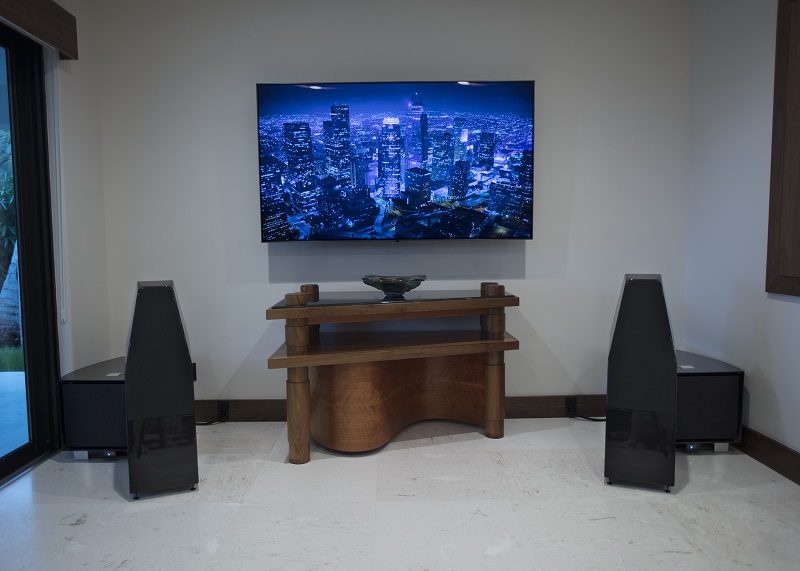
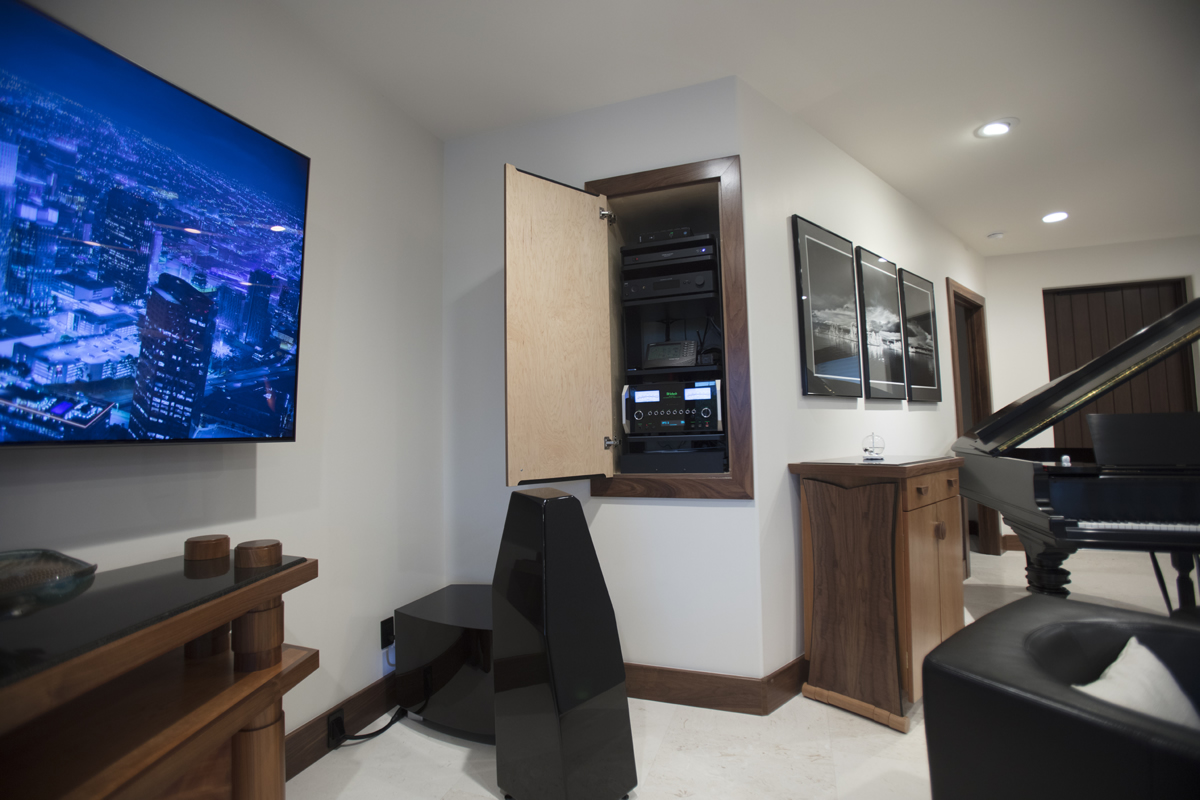
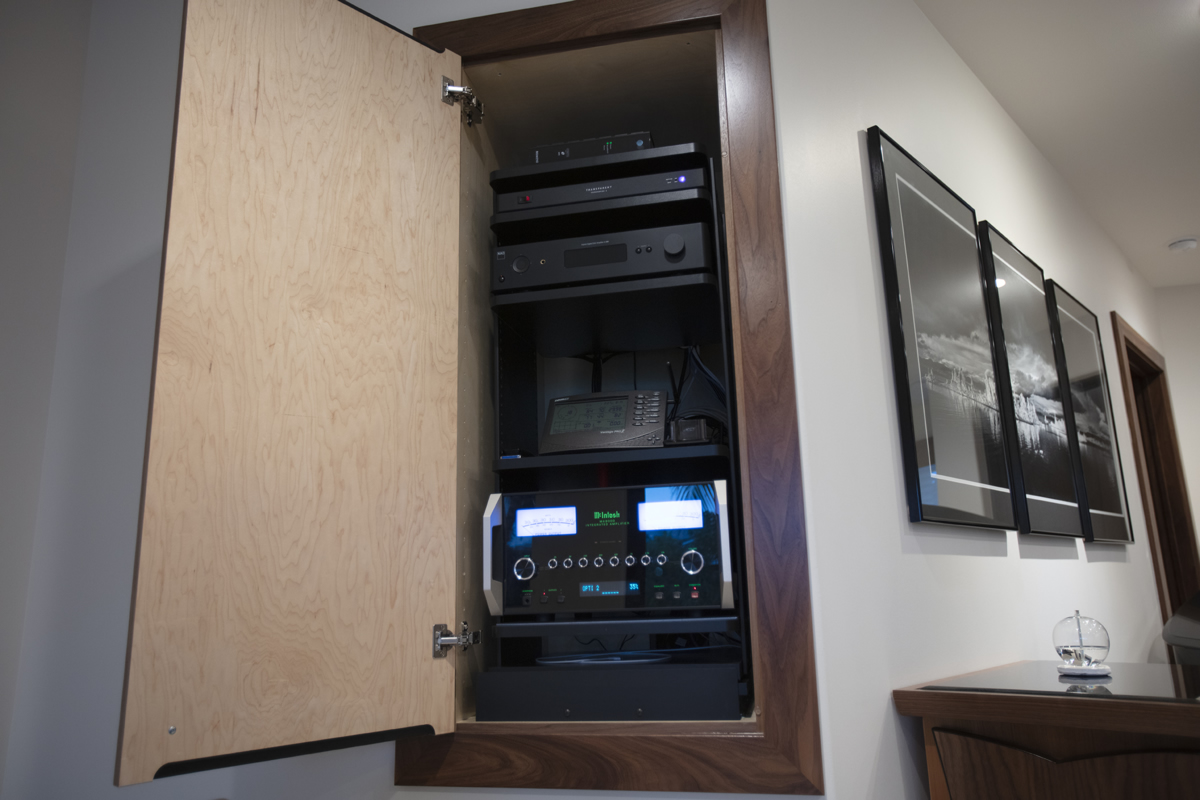
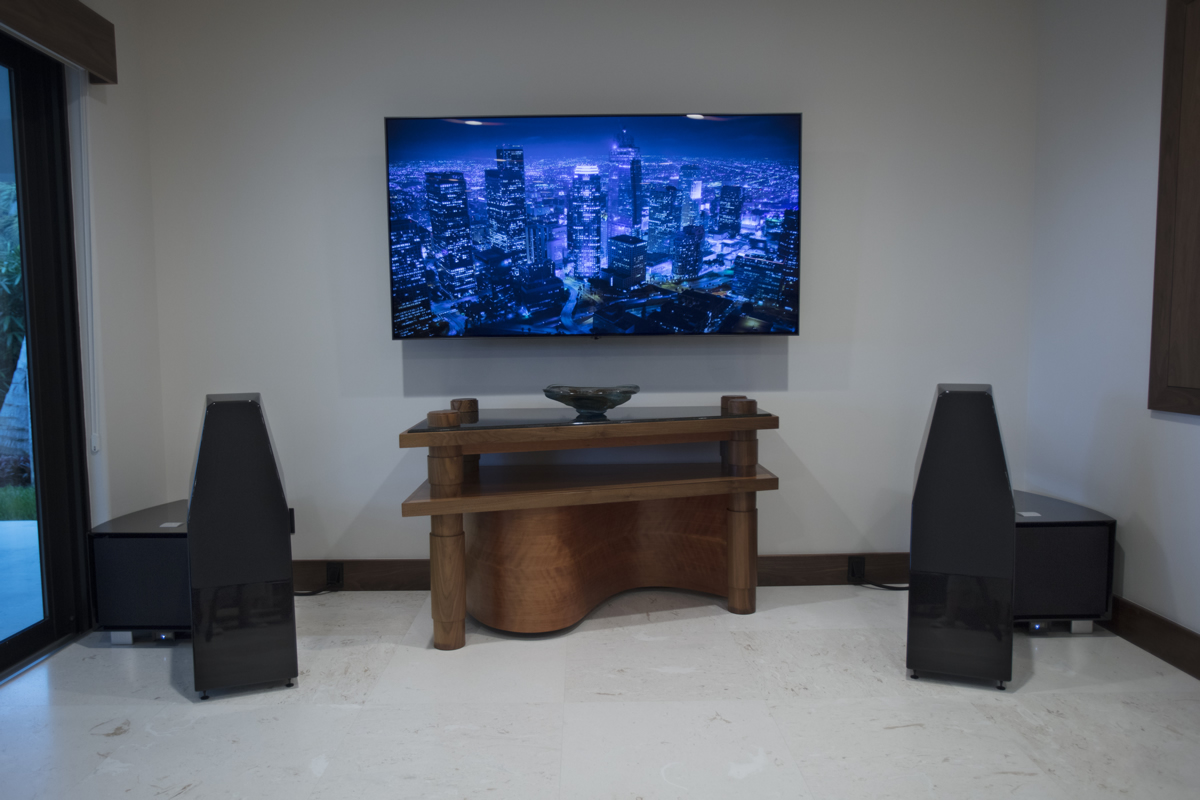
The Question: How does one go about tuning a customers system, especially one that is not in an ideal, acoustically treated room? What methodology ought to be applied? (the featured image above shows the Wilson Audio Sabrina’s and the REL G1 Mark II Sub-base/sub-woofers, with the electronics in a concealed cabinet in the wall to the right)

Scenario: I went to my first customer system tuning session by Ed at a home that had a pretty high end system. And the setup was in a living room with a scenario that was not necessarily ideal for achieving optimal sound for the system. What do I mean?

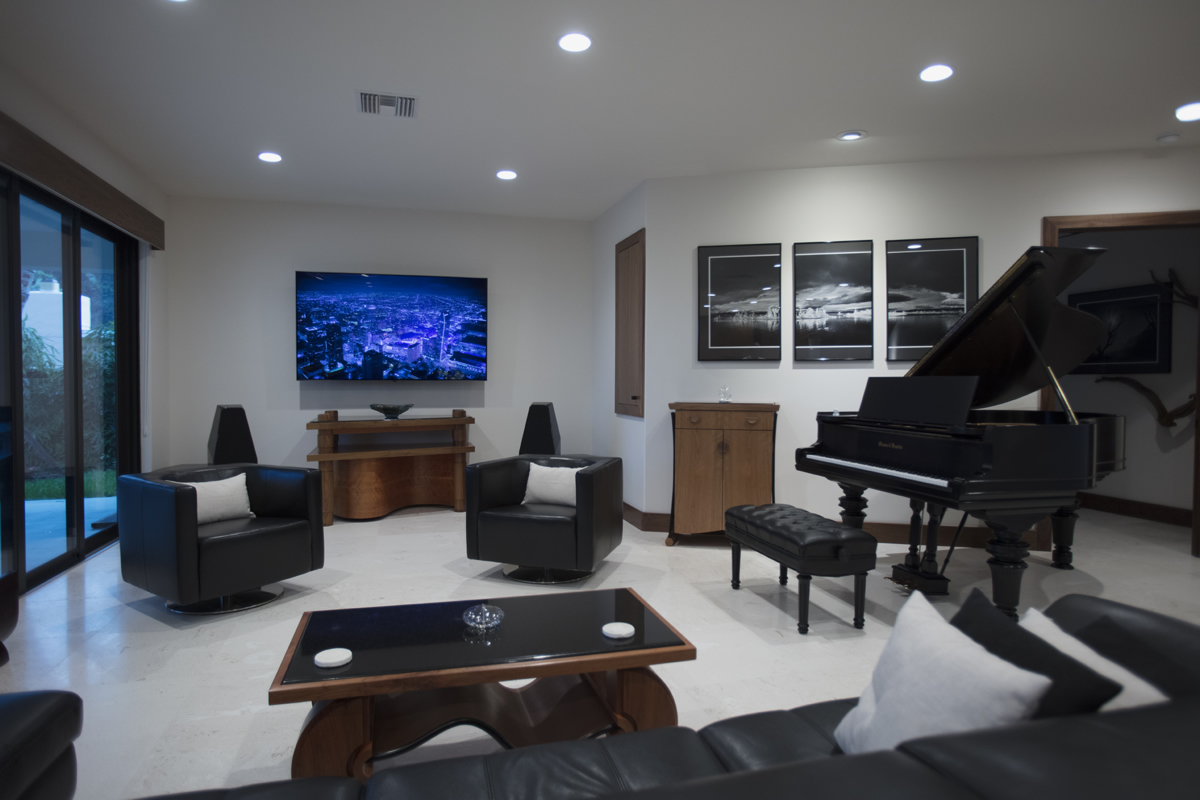
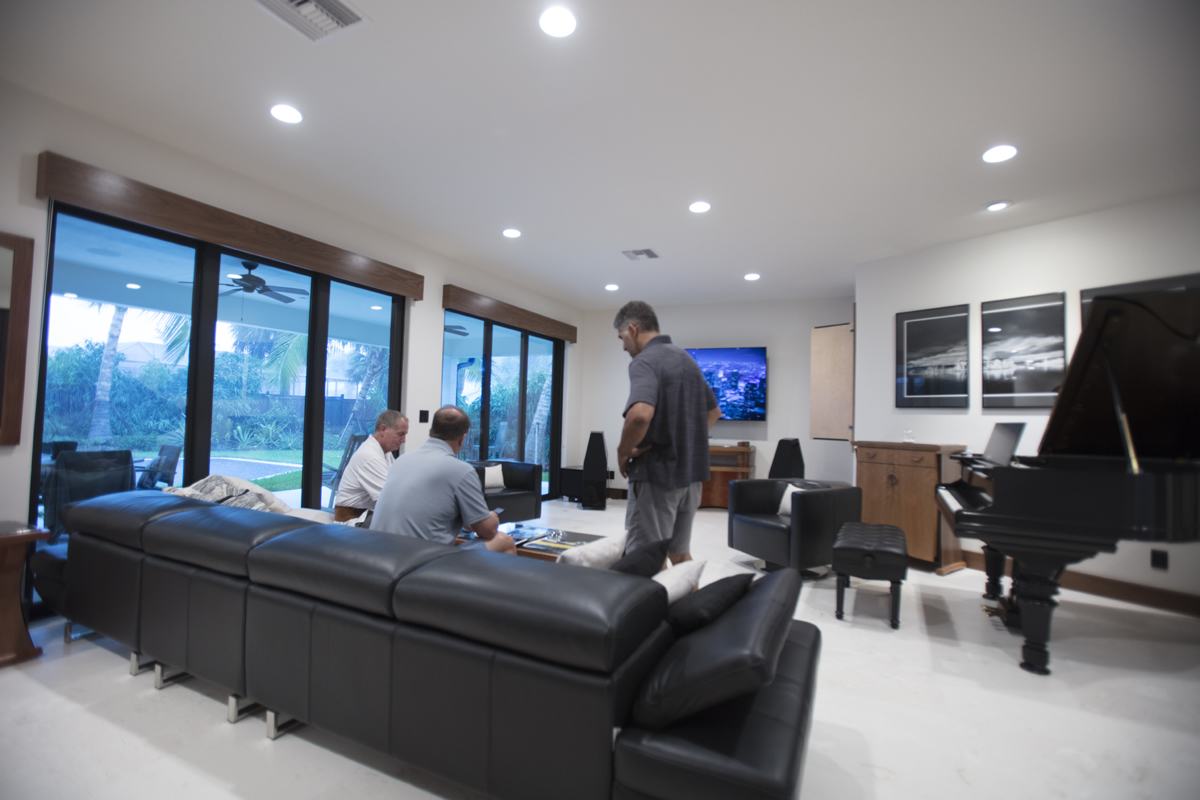
Room Description: It was a beautiful living room, black & white decor, with some stunning natural wood pieces of furniture to accent the black and white tones. Ceramic tile floor, and an entire wall of glass (sliding doors) facing a pool/patio area. Flat Ceiling around 8 feet. Many reflective surfaces including Black & White photographic imagery of the other famous b&w photographer that would make one think of Ansel Adams, if he or she was not well schooled in the work of the two artists.

So, I’ll ask the question again, how does one go about tuning a fairly high end home Audio system in a somewhat hostile environment in regards to getting the best acoustic sound results, and walk away satisfied?

Note to whom might be new to the Audiophile world. Adding a pair or even a single sub-base/sub-woofer speaker to a 2 channel stereo system adds a fuller, more extended, and more dynamic bass range for a stereo system. The Wilson Sabrina’s do an excellent job with the 8 inch driver for bass down to 31 hz, however, by adding a sub-base speaker pair to the main speakers enables the listener to enjoy the bass extension deep into the 20 hz range, but more importantly, this allows the Sabrina to breath more within it’s design range, and let the recordings have their freedom should they have bass that is hungry for that 20-30hz region. (the G1’s do go down to 15 hz, though technically, the human ear I believe to around 19 hz)

I digressed a bit with the above, so back to our Audiophile Dr. approach if you will, to take this environment and bring the potential of the Speakers to their best possible sound in the room. Note: The Wilson Sabrinas were already tuned in by Ed on a previous occasion, but today’s tuning was to blend/tune the pair of newly added REL G1 Mark II Sub-base speakers into the system.

The Gear: The electronics are a McIntosh MA9000 Integrated 2 channel Amplifier (300 WPC). Speakers, as mentioned above, Wilson Audio Sabrina’s and REL G1 Mark II Sub-woofers. The source used was a streaming digital Bluesound unit that used the DAC built into the MA9000, even though the Bluesound unit actually does a surprisingly well job with it’s own built in little dac.

SEE PHOTO GALLERY BELOW.

So I was there for an observation experience only, and just watched and listened to Ed as he submerged his Audiophile listening ears to merge the REL’s with the Sabrina’s within this challenging “resonant rich” room. 🙂 Miguel assisted by changing settings and positioning, as they were shared by Ed.

With Ed Masterson, he approaches tuning a system from a more right brain aspect. He doesn’t let himself be dictated by numbers and settings, per say, but more, his approach is all about the listening. Listening for Tonality balance , phase timing, clarity & extension, airiness, etc. This requires getting up from the center “Sweet Spot” seat, making adjustments, and sitting back down. And, because Steve and his Wife do a lot of standing, Ed also kept checking the system from standing at the very back of the living room, close to the kitchen. (one of the photos show the depth & size of the living room) I’m just gonna go ahead and say this. For the most part, Ed is for the most part against “Room Correction or Eq Systems”. Bass tuning software, different story. Generally speaking, Ed is a tuning by listening first, not graphs and numbers etc. But, he does remain open minded to hear about new methods 🙂

It was amazing actually to watch Ed work. Word to the wise, Don’t interrupt him, unless he glances around asking for thoughts. He’s tunnel vision. You will break his flow when he is hyper focused in a tuning session. So, he started off, by listening for the timing or phase of the subs with the Sabrina’s, to make sure the subs were adding and not canceling out any of the low end sound. If the drivers are pushing out on the main speakers, well, you want the sub-woofer to be in phase with the speakers and be pushing out also. At the same time, it appeared he also addressed any bloating or excessive base that seemed to be apparent with the subs, simply because they had not been tuned yet to the room. This he addressed slowly over the next 1.5 or so hours thru constantly re-positioning the subs, fine tuning the volume, the crossover settings as he brought these two piano gloss black beauties into harmony with this awesome system that Steve and His Wife owned.

Once Ed finds the spot, where the REL’s really seemed to energize the room, having that very deep extension, and pressurized the room, then he seemed to go into fine tuning orientation angle of the subs, tweaking the volume, the crossovers. As he’s doing this, Ed always uses his chosen 10 or 20 tracks to determine certain things or nuances in those songs, and whether the speakers are delivering those sounds, (and not hiding or canceling out) and within the correct sound stage width and depth. We seemed to be getting close after an hour or so, but something was eating away at Ed’s thoughts, and it just didn’t seem like he was going to address it with the movement and settings adjustments that Miguel had been doing so far as per Ed’s requests.

Then an idea out of left field hit Ed. (as it appeared to me) Now normally, most of our high end speakers and amplifiers (speaking as a newer 2-3 year Audiophile) are set up in 4 Ohm on the amplifier out setting. As this was the case with the MA 9000 McIntosh in Steve’s system. But Ed asked Miguel if we can experiment with the Amp, and connect the speaker cables to 8 Ohm out. This took an extra 15 or 20 minutes to change over. A wall board panel had to be removed with the drill so that the entire gear rack could be spun around in order to make the changeover to 8 Ohm to the speakers on the back of the integrated amplifier, instead of 4 Ohm. Once this was done, any remnants of weightiness or heavy bass had disappeared. (As I strive to learn Audiophile jargon thanks to the help of Robert Harley and his awesome “The Complete Guide to High-End Audio – 5th Edition”), I can’t help but express that when that magic base popped, and had energized the room, the mid-range also seemed to expose more of it’s awesome timbre and clarity along with the treble. With another 10 or 15 minutes of fine tuning, Ed was happy. Then, Ed began listening to some of the tracks that Steve and His wife like to listen to, to make sure that these also sounded excellent.

On a final note, by switching the output over to 8 Ohm’s, it may have reduced a small amount of the base punch that would be more apparent at 4 Ohm’s, but Ed knew, that while he was tuning, it is always best to turn off the Equalizer (Frequency settings controls on a Mac which have 8 adjustment knobs from 25 Hz up to 10 kHz). It is made to have it on or off, depending on the listener. But for tuning, you definitely want it off. But now, if Steve wanted to increase the punch of the base or lower midrange, he could easily turn the Equalizer on the Mac right back on, make his frequency enhancements, and it would not accidentally alter or change the physical tuning that Ed and Miguel had done in the last couple hours.

In just an hour and a half to maybe two hours, Ed had turned this two channel stereo system with the new addition of 2 REL G1 Mark II subs into a very nice and powerful sounding system in what was a potentially hostile room for resonance issues with all the glass doors, piano, glass picture frames, ceramic floor, etc, for the Wilson floorstanders and/or the subwoofers. This, is Ed’s passion, and was a great learning experience for me.

Audible Images AV is excited to be serving: Melbourne, Florida, Rockledge, Merritt Island, Cocoa Beach, Cape Canaveral, Port St. John, Satellite Beach, Space Coast, Vero Beach, Orlando, Daytona, Kissimmee, Central Florida, the entire state of Florida…and even the greater USA, for all their Stereo two channel and Home Theater systems.
Share This Page with buttons below, Facebook, Email and more...

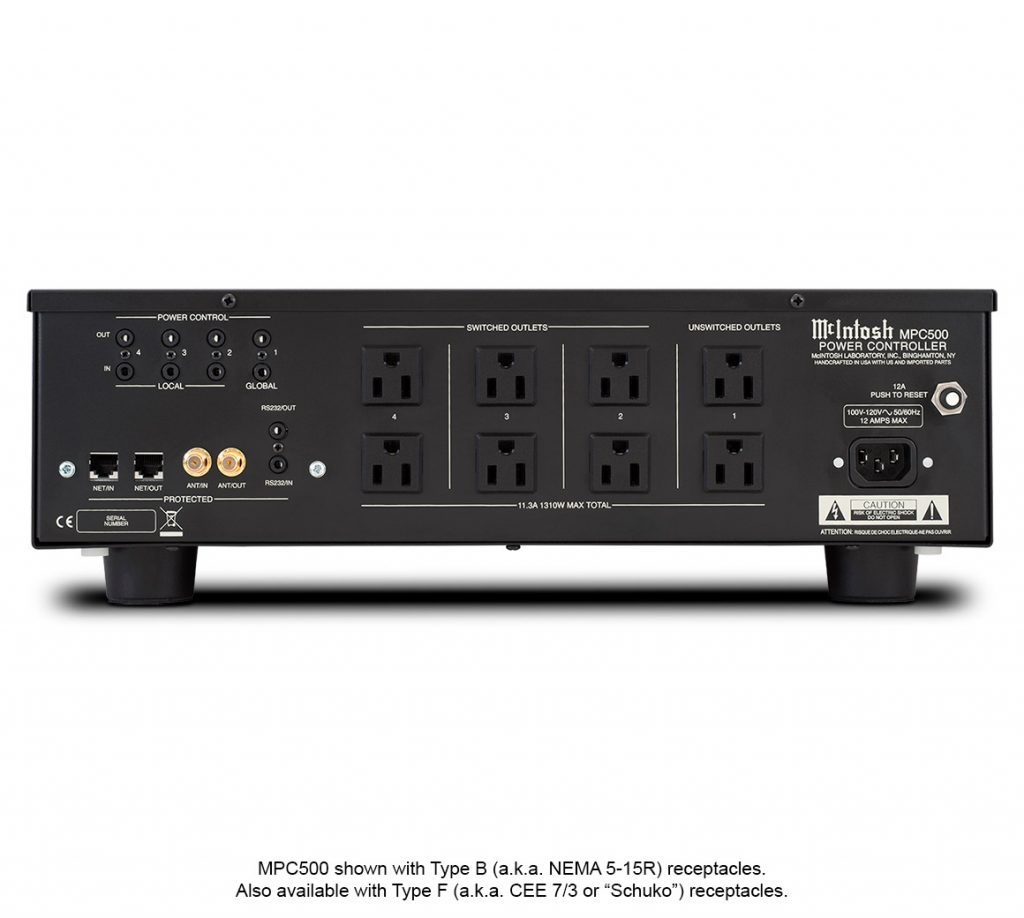
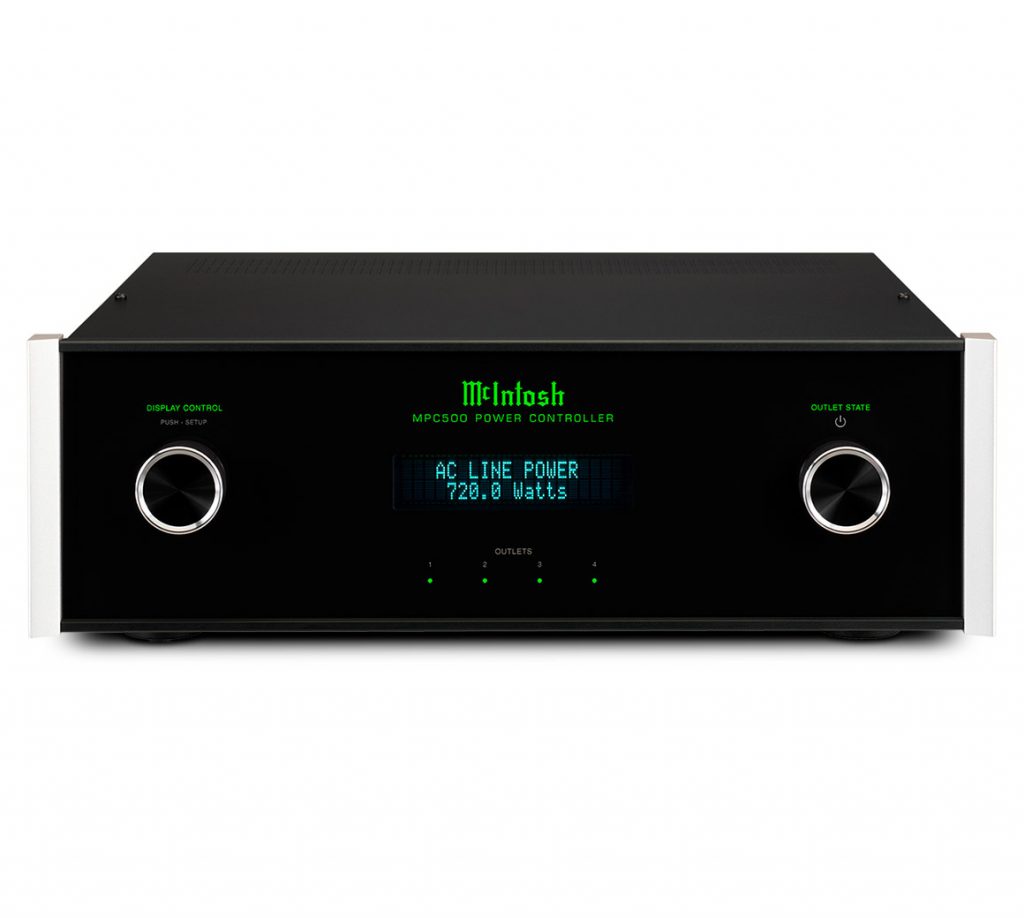
Protect your Mac stack with the new MPC500 McIntosh Power Controller

When you’ve got $5 – 10K or more worth of really nice high end McIntosh and/or mixed gear, isn’t it prudent to protect your investment, with something you know has already been tested with McIntosh gear?

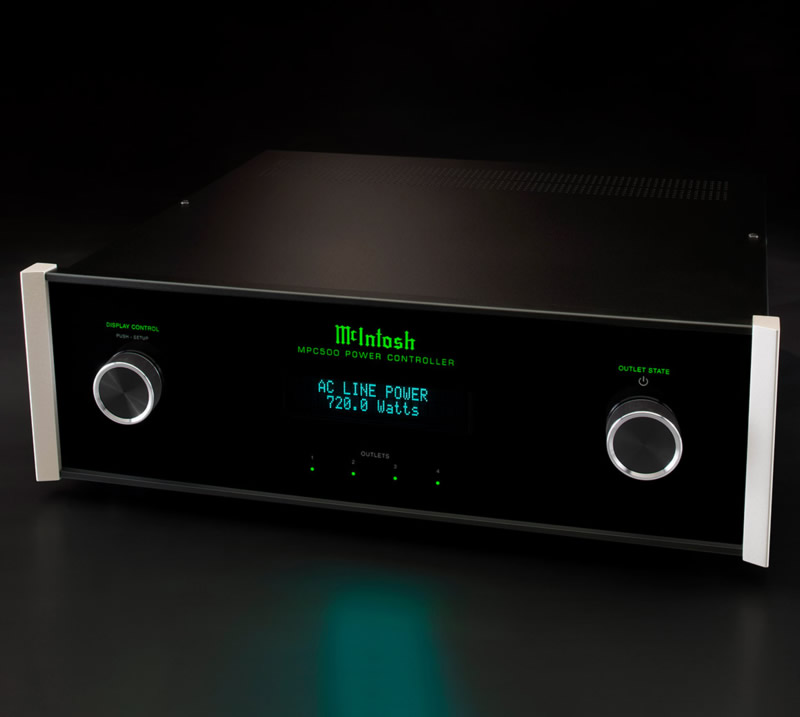
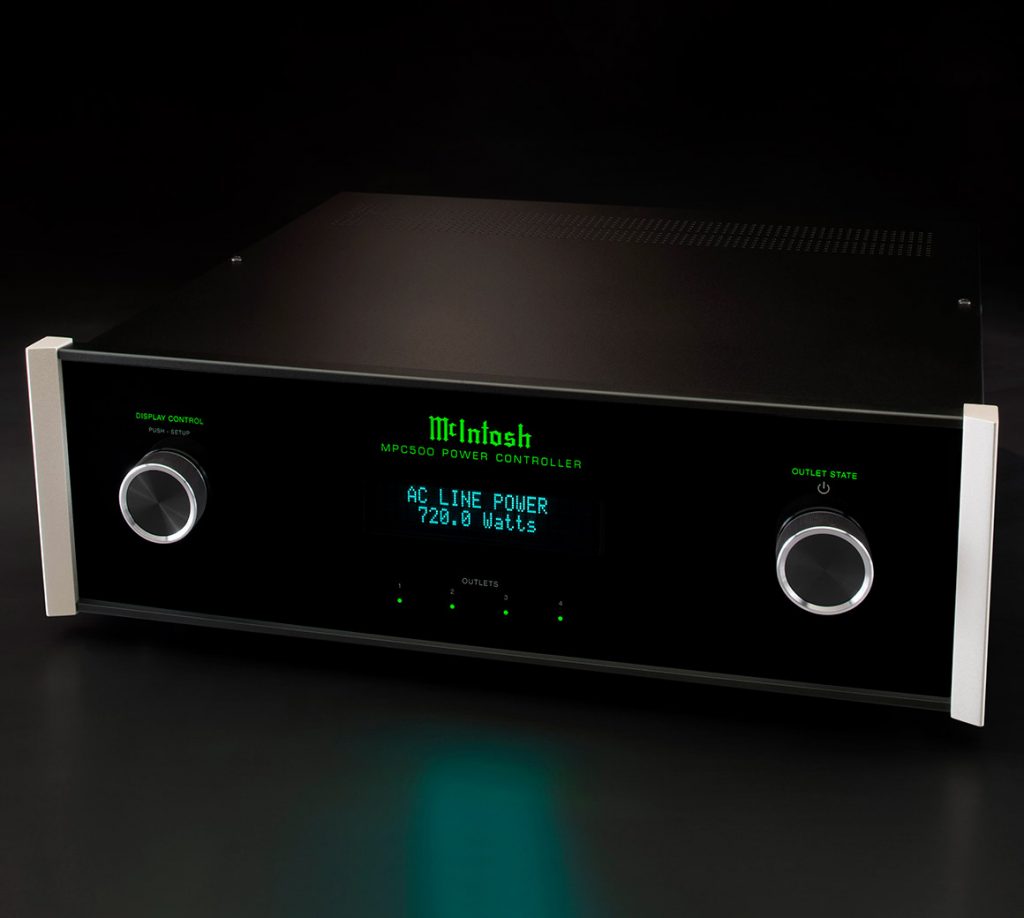
You can now get it done with the new MPC500 McIntosh Power Controller. (MSRP $2500) See the product here.

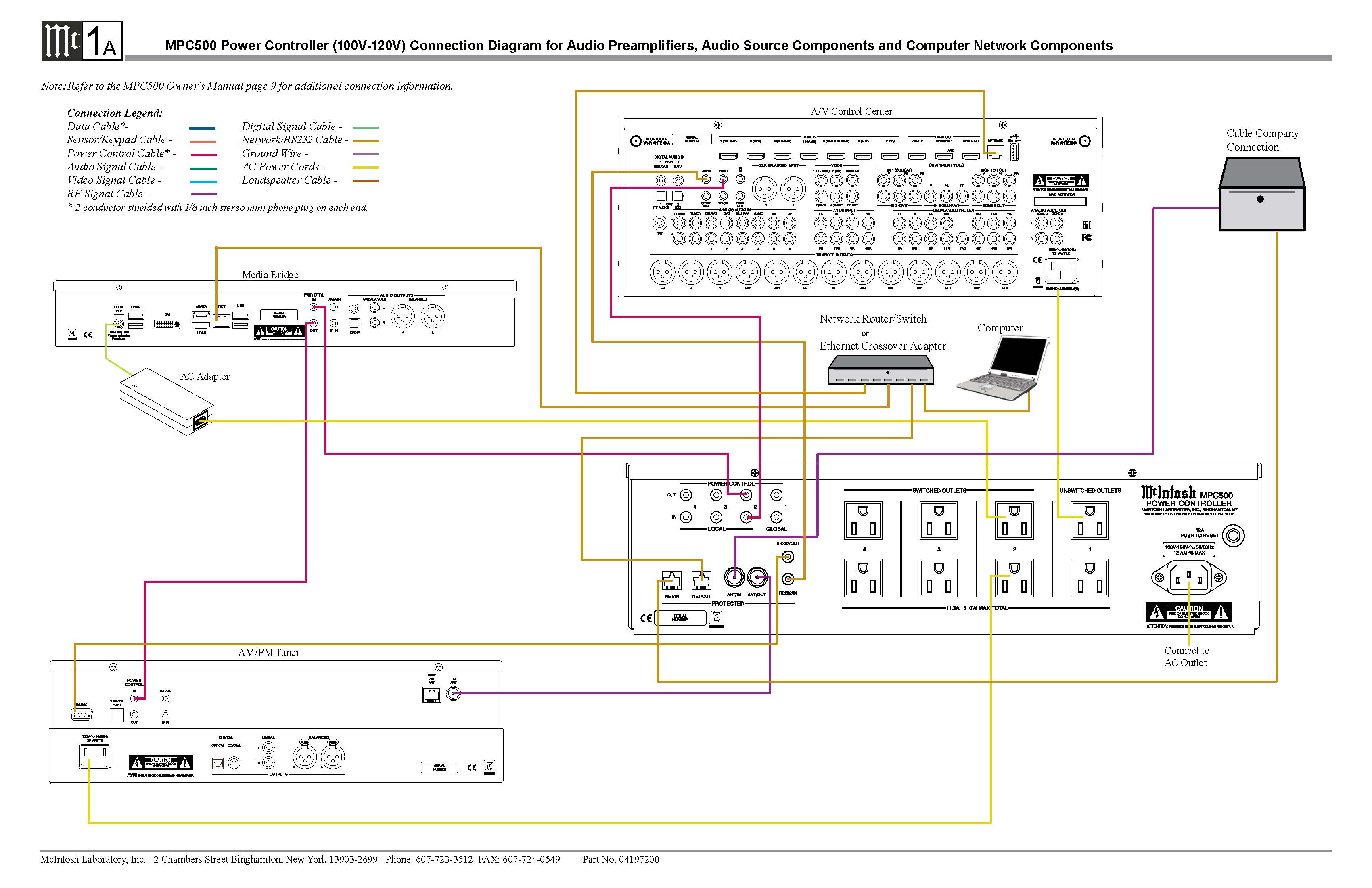
You can connect up to 8 pieces of gear (U.S. power sources of 120 volts AC , and/or see manual for 240 volt protection), and setup trigger cables with your preamp to the amplifier, turntable and more for altogether power on convenience.  It protects against brutal power surges from lightning, and also for protecting low voltage devices against secondary surges and spikes that can occur after the initial event.  See the three thermally protected metal-oxide varistors (TPMOVs) explanation from McIntosh below the diagram.

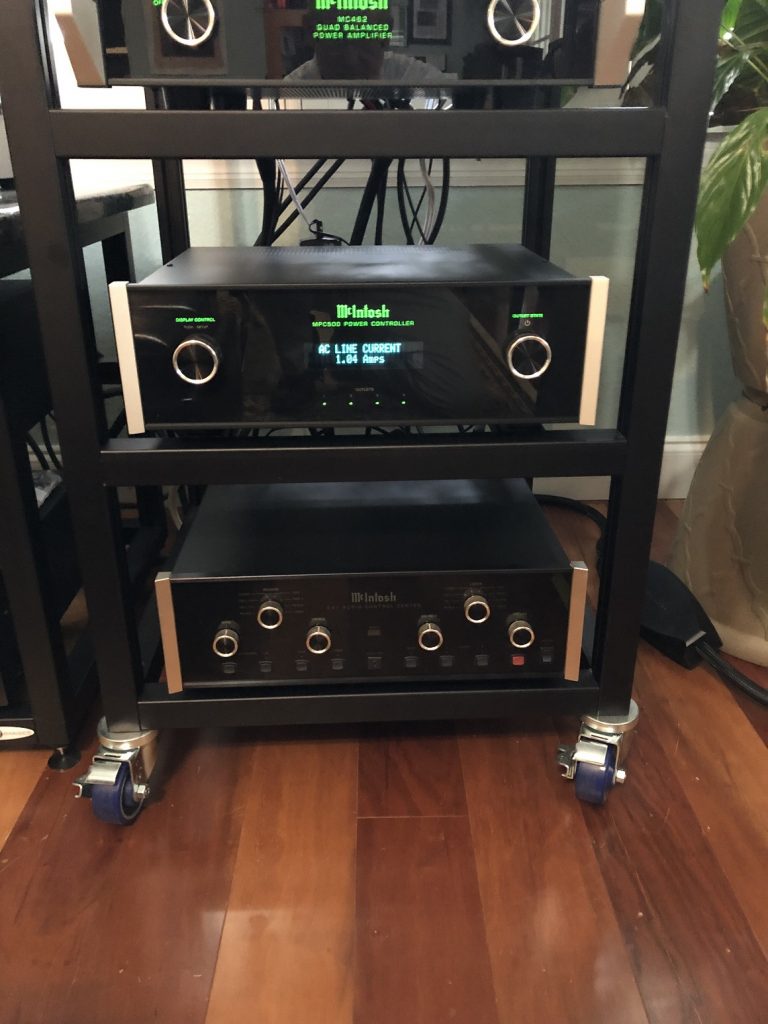
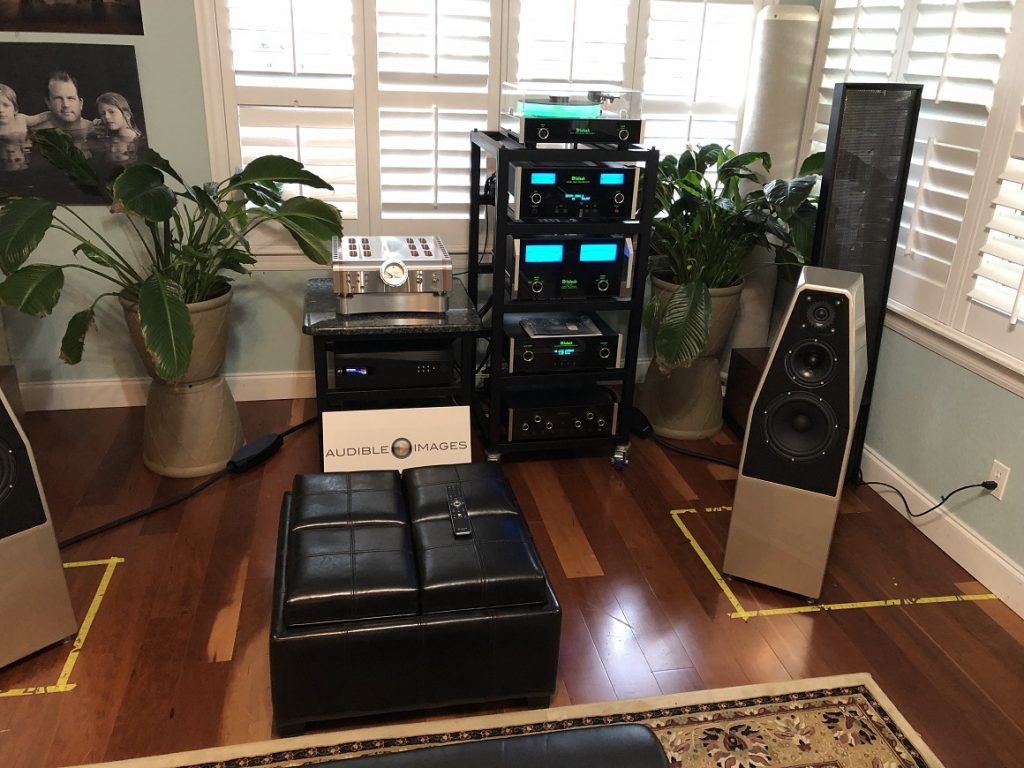
On our showroom floor, we have the Controller connecting the Mac stack in our “Great Room” reference/listening room, which includes the McIntosh C2600 2-Channel Vacuum Tube Preamplifier, the new powerhouse McIntosh MC462 Solid State Amplifier and the McIntosh MT5 2-Channel Precision Turntable.  I may also connect the Bluesound Node 2i Wireless Multi-Room Hi-Res Music Streamer DAC that we use as a second source for the McIntosh system.  Below I have attached the MPC500 Power Controller Connection Diagram.  (The diagram happens to explain the connection of a Theater Processor, an Am/FM tuner and a Media Bridge, but for our purposes, it will be a bit less involved for the components we are using, though the process is still essentially the same, trigger cables, ethernet, rs232, etc.  Note: this diagram is for 120 VAC, there is a 2nd diagram for 240 VAC)  Below are additional photos of our McIntosh stack in “The Great Room”.

Connection diagram for MPC 500 Controller - mpc500cd1and2-01_Page_1


Concise explanation excerpt from McIntosh website:

AC power line protection is accomplished with the use of three thermally protected metal-oxide varistors (TPMOVs) – which are far safer than traditional MOVs – that provide you with Line to Neutral, Line to Ground and Neutral to Ground protection. For secondary surge events, the MPC500 provides protection for your ethernet, coaxial, and other low voltage devices via Gas Discharge Tubes (GDT), Positive Temperature Coefficient (PTC) thermistors and Transient Voltage Suppression (TVS) components. Also included in the MPC500 is electromagnetic interference (EMI) filtering of the AC line and over/under voltage protection, which will switch off the rear receptacles to keep your connected devices safe from trying to operate at undesired voltage levels.”


Audible Images AV is excited to be serving: Melbourne, Florida, Rockledge, Merritt Island, Cocoa Beach, Cape Canaveral, Port St. John, Satellite Beach, Space Coast, Vero Beach, Orlando, Daytona, Kissimmee, Central Florida, the entire state of Florida…and even the greater USA.

Share This Page with buttons below, Facebook, Email and more...

How Special Do The Sonus Faber Sonetto Series Speakers Sound In A Spare Bedroom Type Listening Room?

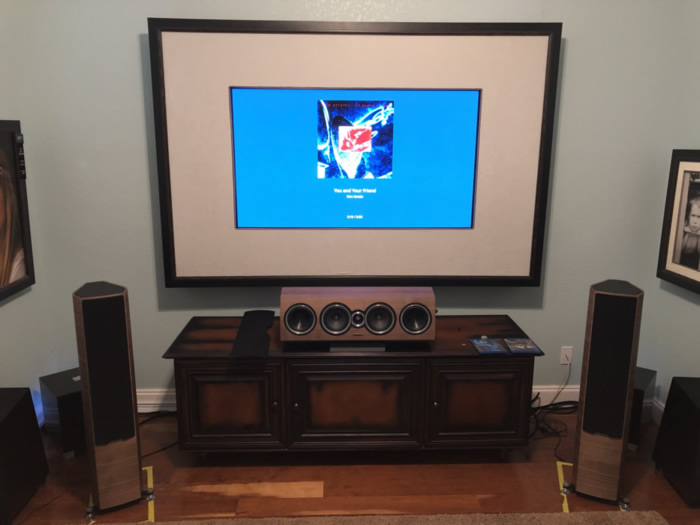
In the generally more modest of our three listening / reference rooms at Audible Images AV, we are breaking in the Sonus Faber Sonetto Series speakers setup in our “Escape Pod” reference room.   Come in for a Demo.

Sonetto Series speakers by Sonus Faber and NAD M17 Preamp w M27 7 channel ampI’ll keep this short and to the point.  (Google prefers 1000 + word blog posts 😉 ) It sounds really really good.  We have them tuned in really nice for that two channel center sweet spot listening seat, and in 7.1 Theater where there’s room for 3 on the couch as in a family room 🙂

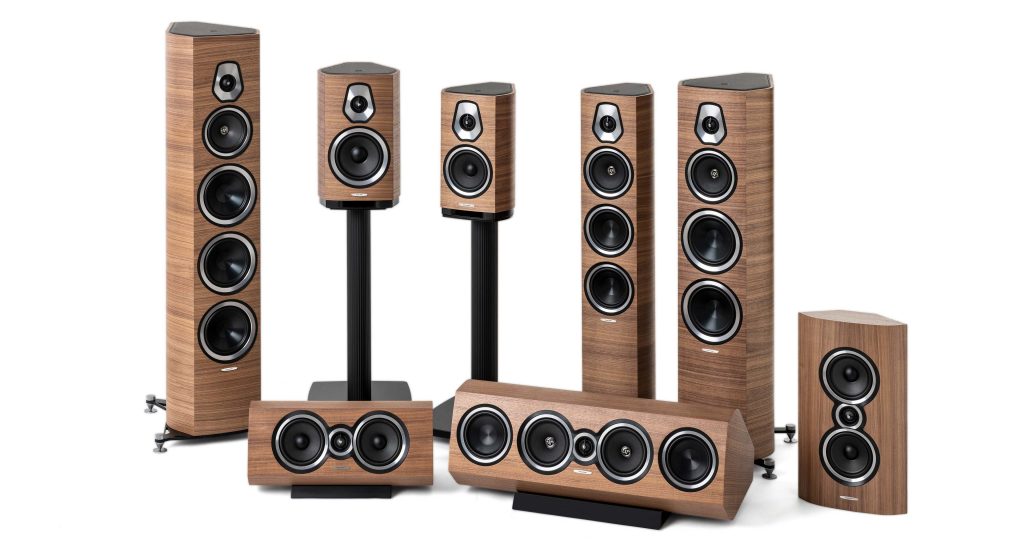
We have three speakers from the Sonetto Series on display for listening; the Sonetto Center II and the Sonetto 3’s setup for the front left and right.  (See the excellent Sonetto 3 review by hometheaterreview.com here) For the surround speakers and rear surrounds we have some smaller in-wall speakers.  To round out the low end base dynamics for the room we also have two REL Acoustics T7i Sub-Base speakers against the front wall.  We can demo the room with the subs on and off.

On screen in the photos is the visual display of the Bluesound Streaming (a Dire Straits song) card card in the NAD Master Series M17 Preamplifier/Processor along with the M27 seven channel Amplifier.  The system sounds quite awesome.

Come on in for a low key , melt in the couch demo.  Shut the door and test out the 2 Channel stereo or the 7.1 system.  See Gallery below.


Thanks for stopping by.

Audible Images


Audible Images AV is excited to be serving: Melbourne, Florida, Rockledge, Merritt Island, Cocoa Beach, Cape Canaveral, Port St. John, Satellite Beach, Space Coast, Vero Beach, Orlando, Daytona, Kissimmee, Central Florida, the entire state of Florida…and even the greater USA

Share This Page with buttons below, Facebook, Email and more...

How might the MartinLogan 60 XT’s compared with Sonus Faber Sonetto 3’s satisfy your Audiophile lust for Modest High End Tower Speakers?

Another play day in the Garden of Audible.

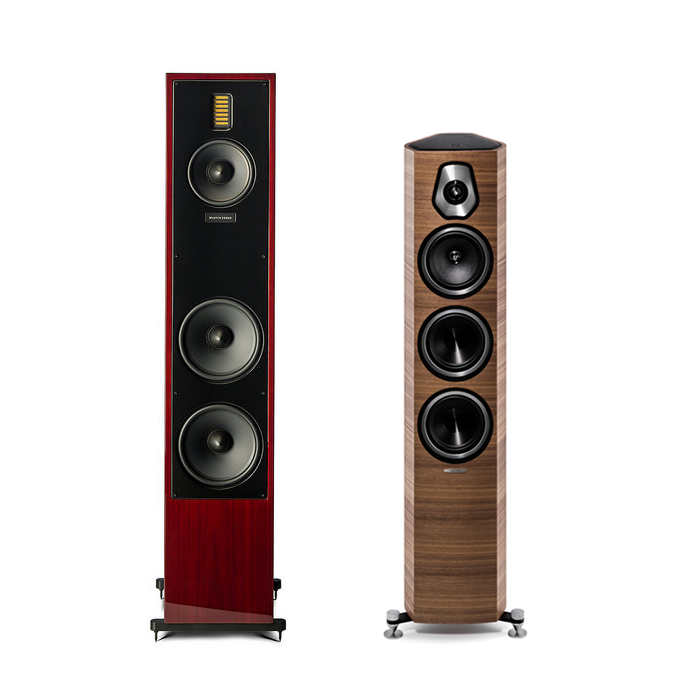
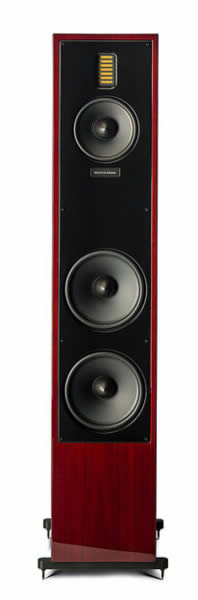
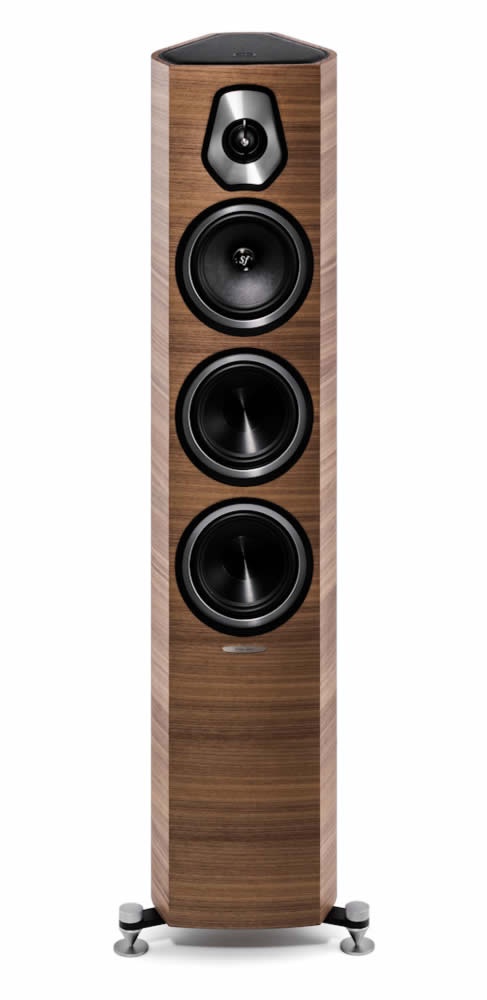
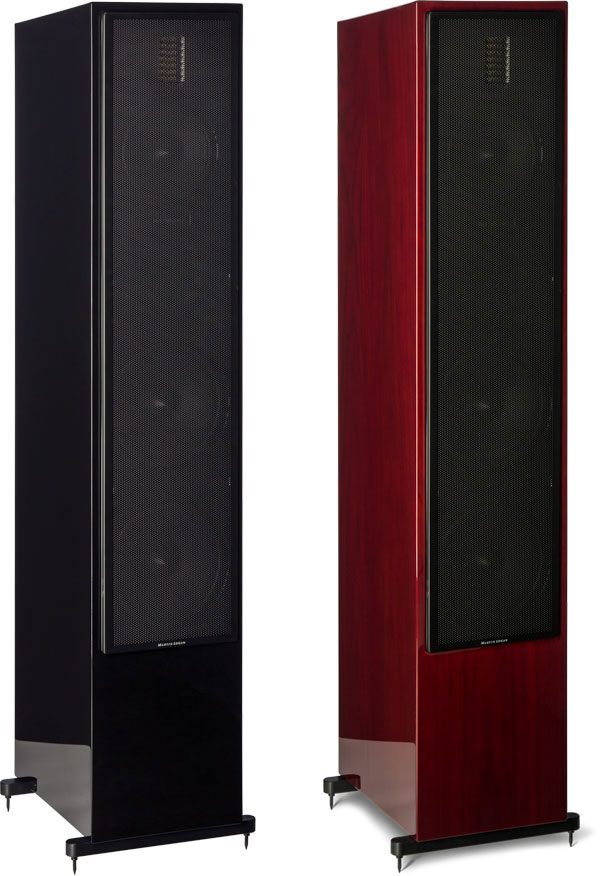
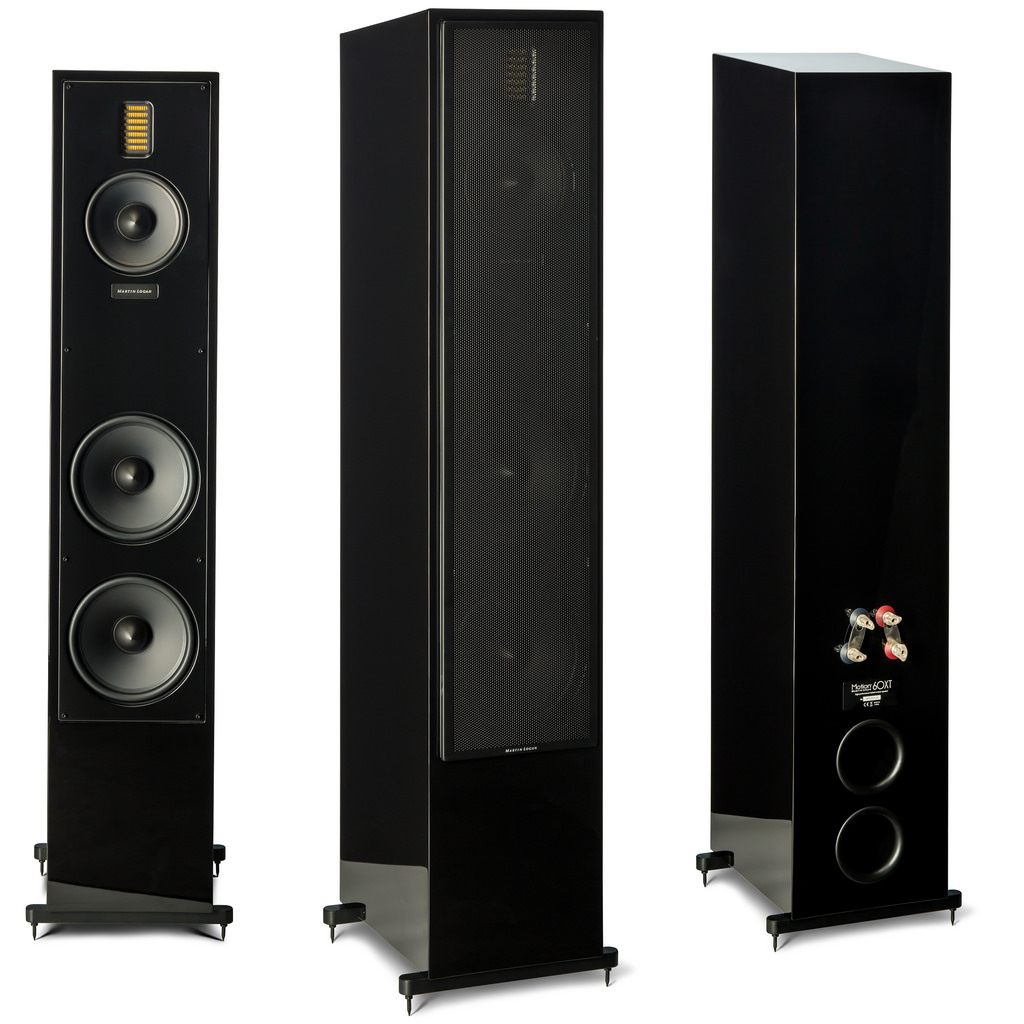
So today I have the honor (emphasis) of playing and comparing the stunning Cherry gloss finish MartinLogan Motion 60 XT tower speakers ($2999 see the product page here) and the lute shaped Italian Walnut finished beauty, namely the Sonetto 3 ($3999,  see product page here), from the still fairly new Sonetto series.  (Note: many colors available, shown in the larger photo gallery below)

The results were awesome.  (in case you’re a skimmer)

Sharing the fun about hearing great new Speakers on the floor, or Amps, or any other aspect of a Day in the Life at Audible Images AV is every Audiophiles dream.  At least it is for me.  I’m also the Marketing guy for us. And since our culture around here is Have Fun, Enjoy learning and Share the fun with others, and the Customers will just enjoy asking Ed for the order, instead of us asking because they can feel his total Passion and Knowledge about designing and tuning systems.   

Now, there’s no getting around the Audiophile crossfit aspect of setting up big, or delicate or just plain heavy stuff, but then we all know that’s just part of the hobby, so anyhow here we go. 😉

My electronics and source were the Dan D’Agostino Momentum Integrated 2 channel Amplifier, and the dCS Rossini DAC and player as a source (streaming).  I chose to use Streaming from the Rossini using Roon (music management system) with a high Rez Tidal account.  Now I know, you’re probably thinking the $45K D’Agostino Integrated is overkill for a $3 to 4K pair of speakers, but there are two reasons why I made the choice.  Because it was close and already setup 🙂  Additionally, when we got a demo from our Sonus Faber & McIntosh rep, back when the Sonetto series came out in late 2018 (see the post here), we had the chance to hear the Sonetto 2 and 5’s, using the Parasound P7 preamp (around $2295 new) with the Parasound A31 (around $3295 new), 3 channel x 250 watt solid state amplifier that we were selling as pre-owned gear for a customer.  And they sounded quite good with those, so perhaps using a much higher end Amp would expose any of the shortcomings or the excellent attributes of the Sonetto 3’s or the 60XT’s.  So here we go.

Please note in the 2 images below: The 60XT’s are actually 8 inches taller than the Sonetto 3 (as in the post header graphic).  The photos below are scaled automatically in the photo gallery settings 🙂  Also, see additional gallery at bottom of page.

Listening to these two beauties was a mixture of Love of listening, Lust and Learning; as I discovered both speakers sound quite spectacular, but had I not gotten the knowledge of placement and specifics of tuning from Ed for these specific speakers, I might have missed the magic that I soon came to hear from both pair.  (More on the tuning details below, as this was a mistake even veterans can make on setting up and tuning these particular speakers 🙂 )

Now so we’re clear  as to my purpose here, this is an experiential blog post, not a review persay. Part of my job, is listening to modest all the way up to ultra crazy high end and sharing what I heard or felt.  If you would like to read detailed reviews to take it further, here is an excellent review on the Sonetto 3’s by hometheaterreview.com here.

If you are on the hunt for some floorstanders in the 2K to 4K bracket to complete your system,  these MartinLogan Motion 60 XT’s and Sonetto 3’s will provide a very enjoyable listening demo for you.  Ed Masterson, Owner, Engineer, Audiophile at Audible Images, makes clear that he doesn’t like the sales guy thing.  Can’t stand the whole pressure or tactic thing.  So that’s one of the reasons I’m blogging and doing Social Media, so you’ll know what a relaxed atmosphere we have in the showroom, and how we’re pretty passionate about setting up speakers just right for you to really hear what you’re thinking about adding to your system.  

So how do these floorstanders sound?  How do they compare? What kind of music are they best suited for?  What are the differences, nuances?

Well, I started my demo comparison the same way I always do as taught by my friend and boss Ed.  Use a specific collection of tracks that I would use to test any and all gear, so that the nuances of the speakers or gear and their differences would become obvious fairly quickly.   So I did this with 6 specific tracks and then afterwards I bounced around in choices to see how well I just melted into the listening chair and slipped out of the test pilot chair.

The 6 Tracks used initially:

  • Fade to Black – “On Every Street” album by Dire Straits
  • Birds of St. Mark – “Solo Acoustic, Vol. 1” album by Jackson Brown
  • Come Away with Me – by Norah Jones
  • Lush Life – by Kate Reid
  • Nature Boy – by the Nordahl Trio/Lisa Ekdahl
  • Hotel California – “Hell Freezes Over” (acoustic version) – Eagles

The Motion 60XT’s  deliver a much warmer sound then the Sonetto 3’s in my experience, probably because of the two 8 inch sub-woofers in the Motion’s vs the two 5.9 inch woofers in the Sonus Faber Sonetto 3.  (a nice review, on the Motion 60XT’s also at hometheaterreview.com here)  There is no muddiness in either pair, nor any brightness that I could feel.  The tonal balance was quite different between the two, (most noticeably because of the extra bass delivery in the Motion’s). But very enjoyable for both.  The treble was pleasant for both, nothing grainy or bright.  The extension in treble seems to be a little greater in the Sonetto’s, more detail, not colored, more articulate.  Smooth and fairly gentle on both in treble. 

I really enjoyed the strong deeper octave chord strikes in the piano from Jackson Brown’s “The Birds of St. Marks” on the 60XT’s.  The energy really made me feel like I was there, you could feel the chords in your chest kind of, as he pounded them in this live recording.  The decay sounded natural (meaning without artifacts),  keeping in mind, the source is all digital from the dCS.  Now I will confess, that for those of you who want an extreme level of articulation in mid-range of percussion, the Sonetto 3 did share a bit more airiness about them, and an even greater level of timbre integrity if you will. 

On the Sonetto’s, that raspy textured voice of Norah Jones had a very detailed and natural resonance.  You had no problem seeing and hearing Norah just a foot or two right of center in the middle of the stage.  Very clearly defined.

On both pair, the acoustic bass in the song “Nature Boy” , Lisa Ekdahl, you could hear and feel the texture of the strings, from the plucking, scraping and vibrating decay.  I love to play this song just to hear how resonant the fingers on that acoustic bass are going to sound, both during the strike and as the fingers travel down the instrument.

I closed the “Test Songs” with ‘Hotel California” , the acoustic guitar version from “Hell Freezes Over”, and of course, this was done on purpose.  That classic intro of the song with multiple artists in the band playing acoustic guitars each doing their own special section of the song, sitting on their chairs in a harmony of transition with the next guy if u will, and the unique drum intro that follows is fairly breathtaking sonically on a high end system.  Plus, personally that 1977 concert in Orlando (or Tampa) right after Joe Walsh joined the Eagles (yeah, I’m an older guy), even though it was the electric guitar version back then, it just makes a special song to close out any demo. And one that I can listen to every day on these incredible sounds systems at work. When you get to hear such perfection sonically almost every day at work, no song gets old. 🙂

So from those 6 tracks,  I will say, both speakers are keepers in their price point.  Now is there a significant difference between the two?  Yes, as shared above.  Do they satisfy your favorite style of music?  This is where having your own personal listening demo would provide the answer.  And, visually, both speakers will probably create smiles for the other half, as their designs are quite gorgeous if you will.

Two key points: The MartinLogan XT’s could not be pointed at you and you had to sit much further back.  And the Sonetto 3’s, were pointed right at you, you sat much closer, and the rake angle was critical for not only the treble, but also for the bass.  How could anyone know this, unless they were an audiophile with tuning experience, or had someone explain this to them when demo-ing the speakers for consideration?  Absolute Sound does an excellent detailed review on the 60XT’s, and the summary on this page 3 link, nails it.

Now here’s where I surrendered the test pilot hat, and sank into personal mode.  I decided to listen to some Europe jazz (for those of you New Orleans or Chicago jazz/blues purists, I strongly suggest adjusting & expanding your palette, because the talent and style of the artists in “Jazz at the Pawnshop”, 1977 original recording, opens a whole new genre of Jazz.)  I first heard some of it a couple years ago, but have spent more time listening to it now at work.

When I was first exposed to Jazz in my early listening days, it was around my senior year in high school, and back then, an African American buddy Stu,  that I worked with after school turned me on to George Benson, Billy Cobham, and yes John Coltrane, and a few other artists that I can’t recall this moment, I realize,  that now, having Tidal to continually expand my listening tastes is such a gift for seasoned and new Audiophiles today.   I will also say, that having row 6 tickets for the Chuck Mangione concert back in 1979 in a theater with only 2-3000 seats that had excellent acoustics, I can literally re-live better sound than that concert in The Transporter at work.

So, I ask, when does a vibrophonist get your attention during a listening session? When Lars Erstand in the album “Jazz at the Pawnshop” does an intimate duet with the bass player in the track ‘Fascinating Rhythm (Live), be Good!: Oh, lady, be good’.  Three or so minutes of dedicated vibrophone enjoyment with the contrast of subtle electric bass.  The colors from those two little mallets brought out so many colors (listening on the 60XT’s now), I became entranced by just hearing Lars duets with other instruments in the recording in addition to just the background complement of the Vibrophone.  What a great recording to just enjoy an instrument that you very rarely listen to.  Like 4rth of July Fireworks colors, but in audio colors enjoyment! (I’m still a new guy to Audiophilia)

Feel free to drop in during showroom walk-in hours, or call ahead to hear these 2 wonderful speakers, and maybe even hear some Electrostatics if you’ve never had the chance, to hear 3 totally unique speaker designs in your budget area.  You will totally enjoy pecking Ed’s brain and submerging in our listening rooms.

Thank you for stopping by!

Audible Images AV

Audible Images AV is excited to be serving: Melbourne, Florida, Rockledge, Merritt Island, Cocoa Beach, Cape Canaveral, Port St. John, Satellite Beach, Space Coast, Vero Beach, Orlando, Daytona, Kissimmee, Central Florida, the entire state of Florida…and even the greater USA

Share This Page with buttons below, Facebook, Email and more...

Customer Scott Hurley Sharing His Testimonial About His After The Sale Experience with Ed at Audible Images AV

This is one of those Customer Testimonials that a simple Thank You, just comes up short, for the truth and conviction that Scott shares here about Ed.  

Nonetheless, we give Thanks to Scott 🙂

Enjoy the video.

Scott's Testimonial about Ed Masterson after the Customer's Installation is complete.

Audible Images AV is excited to be serving: Melbourne, Florida, Rockledge, Merritt Island, Cocoa Beach, Cape Canaveral, Port St. John, Satellite Beach, Space Coast, Vero Beach, Orlando, Daytona, Kissimmee, Central Florida, the entire state of Florida…and even the greater USA

Share This Page with buttons below, Facebook, Email and more...

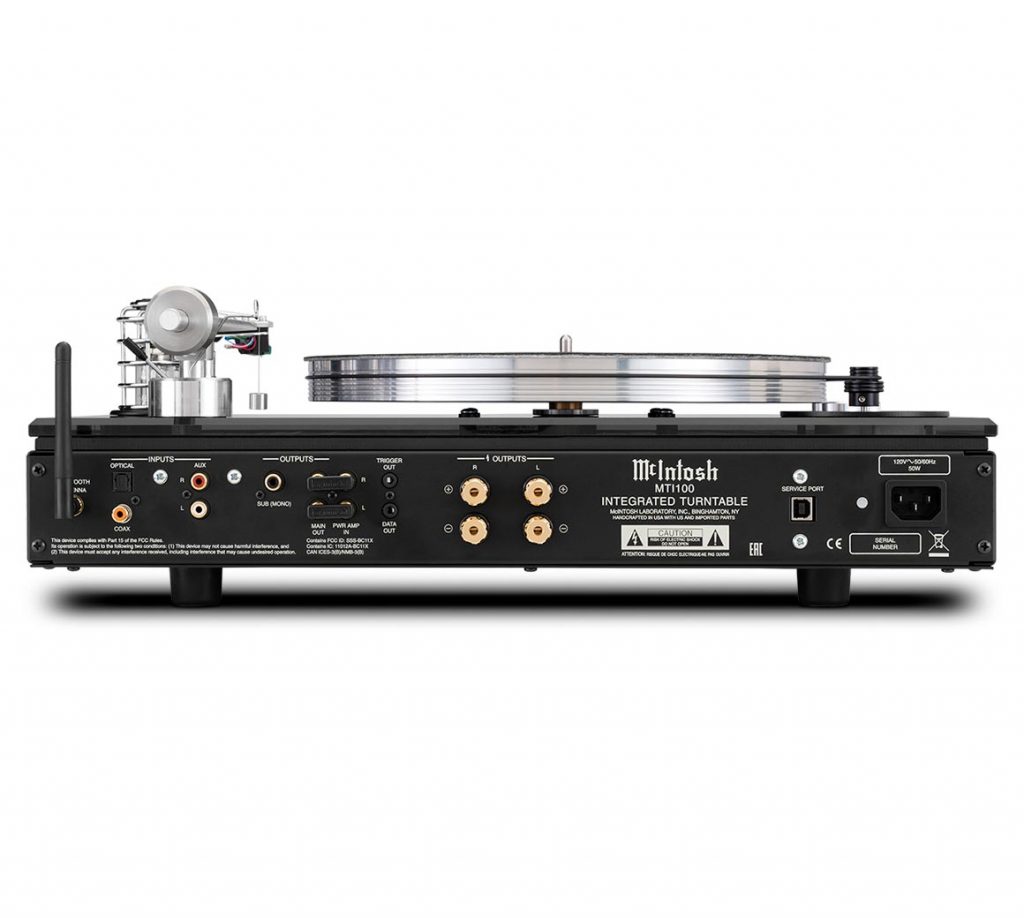
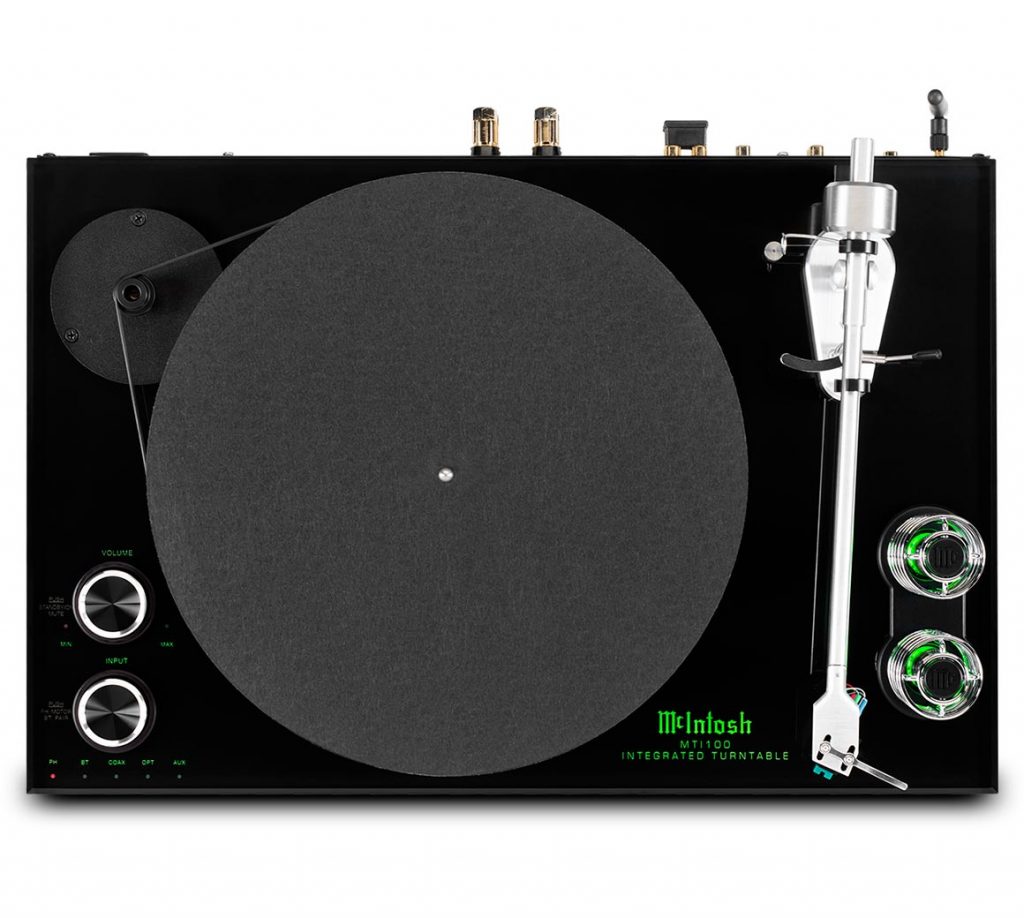
How Might the New McIntosh MTI100 Integrated Turntable Fill Your Audio Needs?

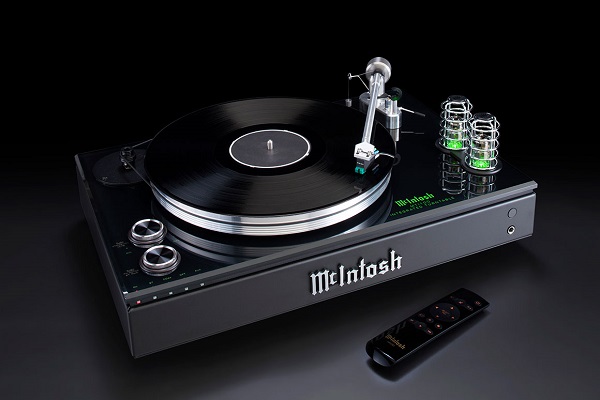
The brand new McIntosh MTI100 is a very nice piece in many ways.  Be sure to see the photo gallery below.

Woody, our McIntosh Rep brought the Mac piece in today, and as usual McIntosh fulfilled the eye candy test, with the preamplifer tubes on the deck.

If you are definitely a Vinyl guy or woman and your electronics are somewhat antiquated then this piece might just be for you. An integrated Amplifier/DAC/Turntable with a number of input choices.

The source we enjoyed today was a digital Bluesound Node 2i ($499), the speakers were the Martin Logan Motion 60XT Floorstander speakers ($2995/pr) with the folded motion tweeters.  The MTI100 ($6495) with a 50 Wpc amplifier filled the space very nicely in our “Great Room” reference room.  

My brief encounter with the new piece and above mentioned gear was one of warmth, maybe some extended bass, but not muddy. (The 60XT’s are kind of warm anyhow and with 2 each 8 inch Woofer drivers you won’t feel cheated on the low end.)  Overall, the delivery from the Mac was warm.  The mid-range perhaps had emphasis on the lower mids, but not excessive.  Woody cranked it up close to the top, and it was not lacking power in that room.  It was a very brief test, but was not disappointing. 

I see posts on the Audiophile forums about people wanting to get started in Vinyl, and at what level $dollarwise makes sense, and for a home office or silver platter college dorm, add the speakers and streaming source (if you desire both analog and streaming), based on McIntosh history, you should be well pleased.  I mention the latter, because we did not get a chance to hear the platter, as the setup time for tuning in the turntable was not available, so we just listened to the DAC and the Amplifier.

This is not available on our showroom floor.  But will certainly be available from our McIntosh line. However, I believe all three of us were quite impressed with the Sound, the Appearance and the convenience of the MTI100 inputs which included digital, optical and analog.

McIntosh appears to have delivered a very nice piece once again.

Thank You.

Audible Images AV is excited to be serving: Melbourne, Florida, Rockledge, Merritt Island, Cocoa Beach, Cape Canaveral, Port St. John, Satellite Beach, Space Coast, Vero Beach, Orlando, Daytona, Kissimmee, Central Florida, the entire state of Florida…and even the greater USA

Share This Page with buttons below, Facebook, Email and more...

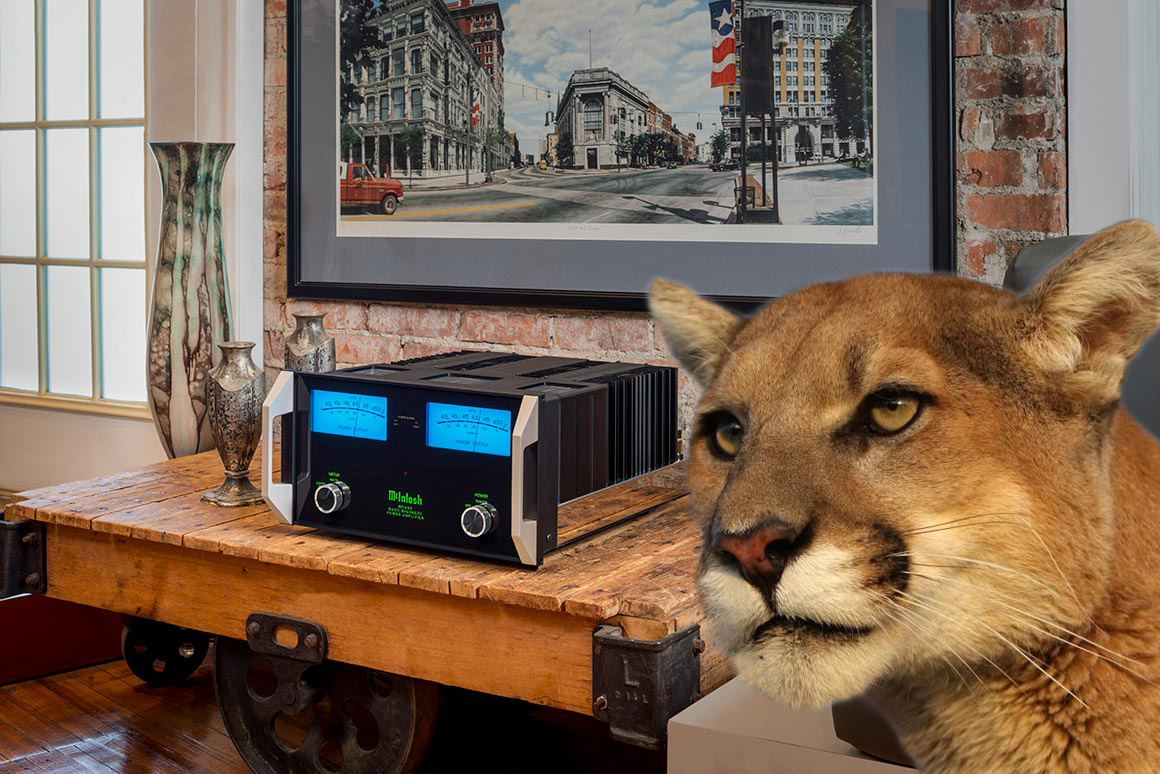
What do the new McIntosh MC462 Amplifier and a Mountain Lion have in Common?

I think most folks would say that you might approach them both with caution.

But those feelings shouldn’t hit you at all with this new Mac 450 Watts per channel, stereo powerhouse amplifier.  In fact, we’d all have to agree, they both look really beautiful, and when they’re screaming, they sound really awesome.

The new McIntosh 462 light up in the Mac stack.Now granted, this new MC462 is for you who wants to step into High End Audio with plenty of playing power and at the same time, you may be working with a specific  budget but certainly not an unlimited budget. 🙂 Well, regardless of who you are, this is a fun piece of electronics to crank up and make you feel like you’re back at that concert.  (Note: 1st image to the right, light up is the new MC462)

Now for starters, Who am I? The guy that I’m not, is a Product Review whiz at Stereophile Mag , The Absolute Sound or any of those other excellent magazines. I’m the guy that Ed Masterson my friend, boss & owner of Audible Images AV told to come in a couple days a week and amongst my duties, he wants me to test out new gear, compare gear and then blog about the fun I had & what I learned while experimenting in this gathering place/showroom for Audiophiles. (Note: I’m learning many “terms” of Audiophilia so as we all know, sometimes new guys get carried away when trying to learn, so I’ll ask you to grin over my learning curve, thanks 🙂  )

Dan D'Agostino Momentum Integrated AmplifierSo today, I get to play (or continue playing with in this Part 2) of testing with this $9000 brand new amplifier (the debut was in July of this year from McIntosh, see the Absolute Sound magazine announcement here), and in order have a reference point (something to compare power, transparency, etc), Ed suggested I compare it to the Dan D’Agostino Momentum Integrated Amplifier. (a $45,000 amp/preamp)  Well, also because it was already sitting right next to the new Mac 🙂 (2nd image, shown left on top of marble is the Dan D’Agostino Momentum Integrated Amplifier , See the product here, with the dCS Rossini lit up just under the marble in the color black)

You might be saying, “Now that’s not really a fair comparison, going up against a piece of electronics that costs 5 times the price of the MC462?” .  Isn’t it?  Well this is the 3rd or 4rth McIntosh Amplifier that I’ve had a chance to experiment with in our showroom and I say Mac gear consistently rises to the occasion just fine.

So to get you caught up, I made a mistake, in Part One of my “testing” a few days ago, in that I got so excited listening to the new Mac 462 when playing two R&B artists, Zac Harmon – “Right Man Right Now” album and Joe Bonamassa – “It’s a New Day Yesterday”, of whom I never listened to before, and in doing so I broke the Audio testing protocol that my boss & friend Ed taught me.  Which was:  If you want to test the sound quality of a piece of gear, you need to have a Reference set of parameters to test it with. (a reference room, and reference tracks that you know very well)  So here’s what I learned…but first…

As I mentioned above, in my playing around/testing of the new McIntosh MC 462 two Channel Stereo Amplifier (which replaces the 450 wpc MC452, both are 450 Watts per channel) I will be comparing it to the Dan D’Agostino Momentum Integrated Amplifier. (200 wpc into 8 ohms, and double downs at 4 and 2 ohms respectively)

dCS Rossini DAC & Media Streamer w CD Transport under the marble top holding the amplifierIn order to have a music source I coupled the MC462 with the dCS Rossini DAC & Player (see the excellent “Rossini” review in TAS magazine, cover photo of mag) as a source and preamplifier. I used Wilson Audio “Yvette” speakers, and a new set of Transparent Audio “Ultra” Speaker cables and Interconnects. (In case you didn’t know, the “Rossini” actually works as a preamp, where you can go into their software app on your iPad, change the output voltage to 6 volts from 2, and now you bypass the need for using a separate preamplifier) (3rd image displayed in picture to the right is the black dCS Rossini DAC, Streamer, CD Player & sort of preamp, just under the marble display table)

Wilson Audio "Yvette" speakers with all the gear in racks at a distanceNo longer berating myself for forgetting the use of “reference tracks” the other day, I decided to take a new Obsessive Compulsive approach. Not wanting to completely strain my memory of sonic & musical details or be at any risk of forgetting subtle or even large audio image details, I figured it would be best if I run through each track 3 or 4 times on the Mac first and then switch over to D’Agostino electronics to hear the same track 3 or 4 times there. Thinking this was wise, I got started. And for the record, the Transparent “Ultra” cables are a bit beefy, so a little tenacity was involved here in making 15 or 20 switchovers. I may be in Air Conditioning, but it’s important to know that Audiophiles do have their own Crossfit program. (4rth image displayed to the left is the Wilson Audio “Yvette” speakers used in the demo test with all the other gear in racks in the background)

The tracks I used for testing were:
“Fade To Black” – by Dire Straits
“Mose Allison Played Here” – Slant Six Mind by Greg Brown
“Tin Pan Alley” – by Stevie Ray Vaughn & Double Trouble
“Nature Boy” – Back to Earth album by Lisa Ekdahl
“Flight of the Cosmic Hippo” – by Bela Fleck & The Flecktones

“Fade to Black” we started off with.  The amazing main guitar picking in the beginning of the track takes over the left side of your soundstage.  I cranked it up to about 50% on the Mac. (very subjective as we are using the dCS for volume control )  Anyone that walked into our test room, would be blown away by the “attack transient” or initial energy pulse that you hear in the intro of the song, the lead guitar combining finger picking, plucking, however you describe it, that definitely deserved a Grammy award.  The song is here.  The transient detail on the Mac was crisp, I cannot imagine a spouse asking you to turn it down if they were sitting in the room, let alone the sweet spot.  As you get into the 2nd half of the song, a Steel guitar has a special run in the song, and this steel guitar (I think that’s what it is) clearly defines the right side and literally completes the overall size of the soundstage for the song. You can completely feel and hear the size of the stage.  The signature timbre of the Steel guitar and that of the lead guitar in this amazing song has one’s Audiophile ears perked up at this point.

Track two was “Mose Allison Played Here – by Greg Brown.  Those of you that know the voice of Greg Brown, know that he has a very powerful vocal resonance, very deep, it kinda grabs you by the gut and demands your attention.  His guitar plucking has an excellent and natural sounding roll off and decay.  And the acoustic bass has a timbre so distinct of it being acoustic, that you know had it been electric bass, you’d probably have been disappointed as it would not have fit into this classic piece.  

So far, I have to say that I am pretty blown away by the MC 462 and just how well it delivers the streaming music rendered by the “Rossini” (see the Rossini here). McIntosh has been around for a long time, and it is no wonder.  So far so good.  Okay, a couple more comments about our remaining 3 test tracks.

Track three; “Tin Pan Alley” – by Stevie Ray Vaughn & Double Trouble
Even though Stevie’s guitar is the masterpiece of the song, it’s the electric base guitar that I really enjoyed most.  The bass detail is just really nice.  (being a I believe a 1984 production, the digital delivery is quite spectacular from the Mac, well that and also the amazing work of the dCS Rossini DAC)

Track Four; “Nature Boy”, the vocals of Lisa Ekdahl just sound really nice, I should perhaps point out the “articulation” had excellent detail, and the acoustic base really gets your attention and I guess what they call the “transient tail” of the notes have really nice texture. 

Track Five; “Flight of the Cosmic Hippo”, it’s that thump of that really intense base that I like testing out any gear, and the 462 delivers just awesome.  When you hear the contrast of that intense base and that of Bella’s banjo perfection, the timbre of his Banjo plucking into those crisp highs, and the Mac doesn’t seem like it’s having to work at all. 

Merging into my “playtime summary”, my test of the Mac MC462, it certainly compared amazingly well with the Dan D’Agostino Integrated Amp.  How did it compare? A number of things, but before I share them, the question needs asking, How was the D’Agostino superior to the Mac?  Simple answer, the D’Agostino Momentum certainly had greater musical Transparency and Detail in pretty much all frequencies. When you want the noise floor completely removed (to the point where a finger sliding down a bass guitar string when not playing a note has a 3 second transient tail just from the finger travel pressure 🙂 , then Dan’s gear will be your pleasure. That extra airy finesse & detail is totally worth the upgrade when your budget is not a deal breaker.

But if you’re in the other 80% of Audiophiles who don’t have unlimited budgets, then I share below what benefits you could expect when a decision for the awesome $9000 MC462 (without using a preamp as a reminder, because the dCS “Rossini” worked as both a streamer, a dac and as a preamp) vs $45,000 for the Integrated Amp was concerned:

  • The Mac could crank out high volume constant without any noticeable distortion.
  • Even though the Mac plays classical music with prowess, it sure plays loud rock and roll with spectacular lead guitar and kick drums as though you were at the concert.  My Zac Harmon & Joe Bonamassa listening time were testament for this.
  • It could handle the sudden spikes in power, I quote right from the McIntosh website about how their Dynamic Headroom got a big boost: “The new generation MC462 stereo amplifier has received numerous updates compared to the previous model. The most prominent is that filter capacity has been increased by nearly 50%, which has resulted in a remarkable 66% increase in dynamic headroom from 1.8dB to 3.0dB. This allows the MC462 to easily handle drastic swings in dynamics and effortlessly reproduce your favorite music with virtually no distortion.”
  • The bass was excellent, so I’ll just paste this from the Mac website: “Bass performance is also improved as a result of the filter capacity increase.”  Now could I tell the difference from the 452 we had before? No because I never tested the two.  But with the new filter upgrade mentioned above, I take their word for it.
  • In short, the 462 had almost a limitless supply of clean clear musical energy 

I’m really glad I made the mistake upfront, by playing some serious cranking R&B, by Zac Harmon & Joe Bonamassa (who had his early influence by Stevie Ray Vaughn), before I did my select “reference” song tracks. Why?  Because Rock Rhythm & Blues cranked up to a couple hundred watts is just a lot of fun.  That’s what it’s all about sometimes when you want to just turn it up. And besides, cranking it up is the way the R&B genre needs to be played.

McIntosh, I thank you for a fun time at work.  YOU JUST CAME THROUGH WITH FLYING COLORS AGAIN on the release of this new McIntosh MC 462 powerhouse stereo amp!

Art

Audible Images AV is excited to be serving: Melbourne, Florida, Rockledge, Merritt Island, Cocoa Beach, Cape Canaveral, Port St. John, Satellite Beach, Space Coast, Vero Beach, Orlando, Daytona, Kissimmee, Central Florida, the entire state of Florida…and even the greater USA


Key terms and items related to this post:

Dan D’Agostino Progression monobloc amplifiers electronics, D’Agostino authorized dealer, McIntosh MT5 2 channel turntable, Momentum Preamplifier, dSC Vivaldi, dSC Network Bridge.  Ultra high end 2 channel stereo systems designed & installed, in addition to High End Home Theater Systems.  Roon authorized dealer and Roon Nucleus Server which is on our showroom floor.  Wilson Audio dealer, with Alexx Speakers, Sabrina and Yvette on our showroom floor.
Share This Page with buttons below, Facebook, Email and more...